01DETECTION
Cancer Is Still Found Too Late
Many cancers are detected only after symptoms appear, when treatment is harder and survival is lower.
99%→32%
breast cancer 5-year survival, localized vs distant
AI — Powered
With just a drop of blood, AI can give you the insights that guide cancer prediction, continuous monitoring and treatment.
Supported by Senus Healthcare Research Institute, USA
Five stages, one continuous liquid biopsy workflow.
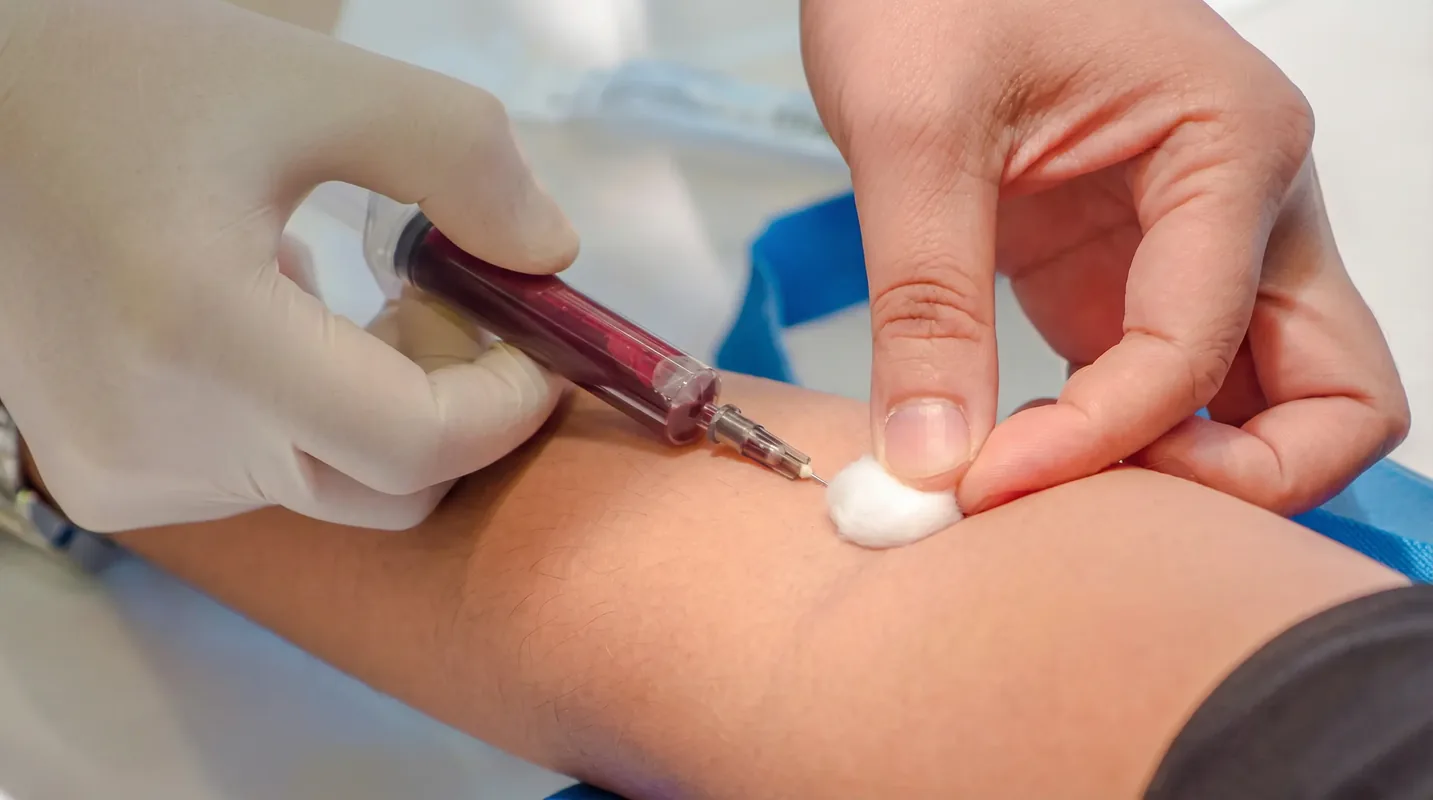
01
Blood Draw
A routine blood sample is collected from the patient.
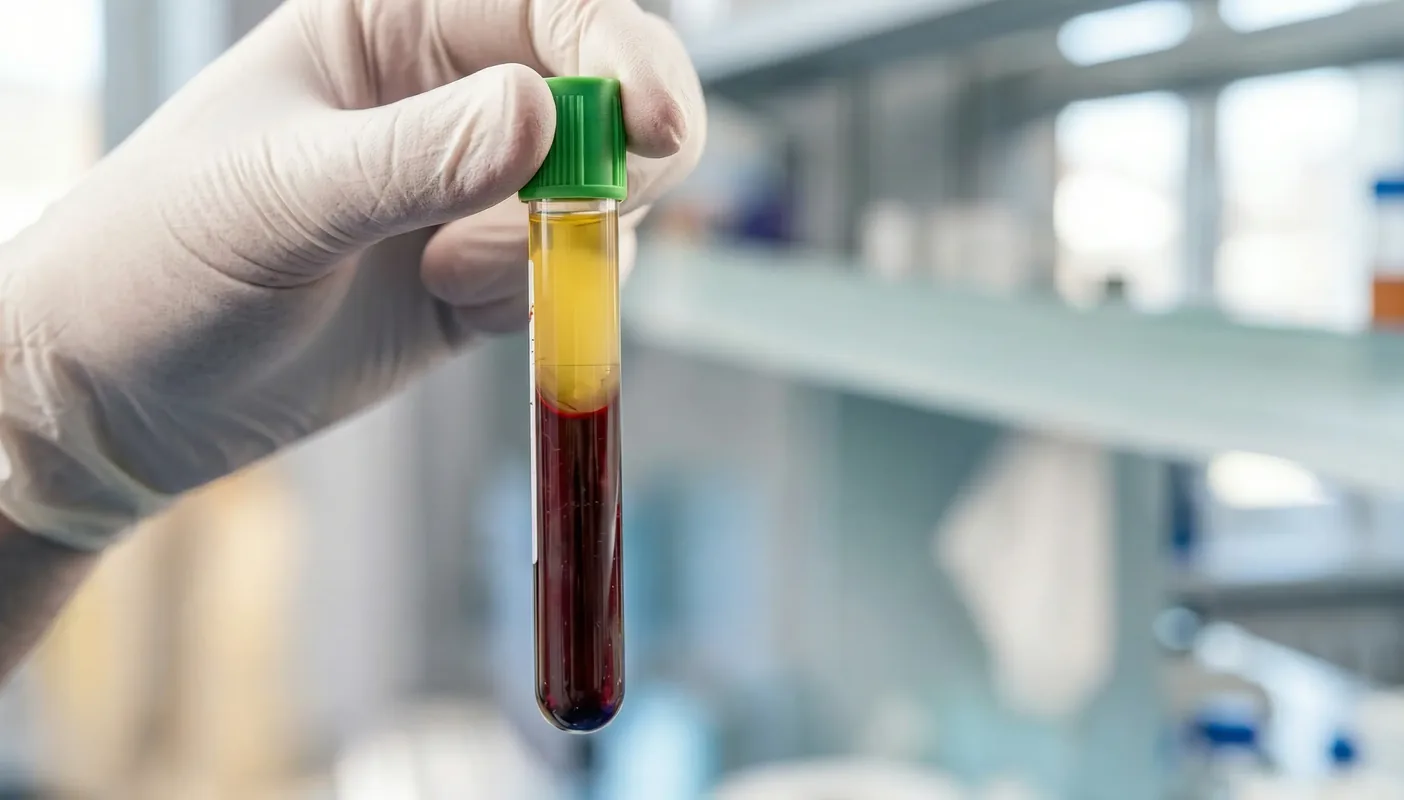
02
Plasma Separation
Plasma is isolated to access circulating tumor DNA.
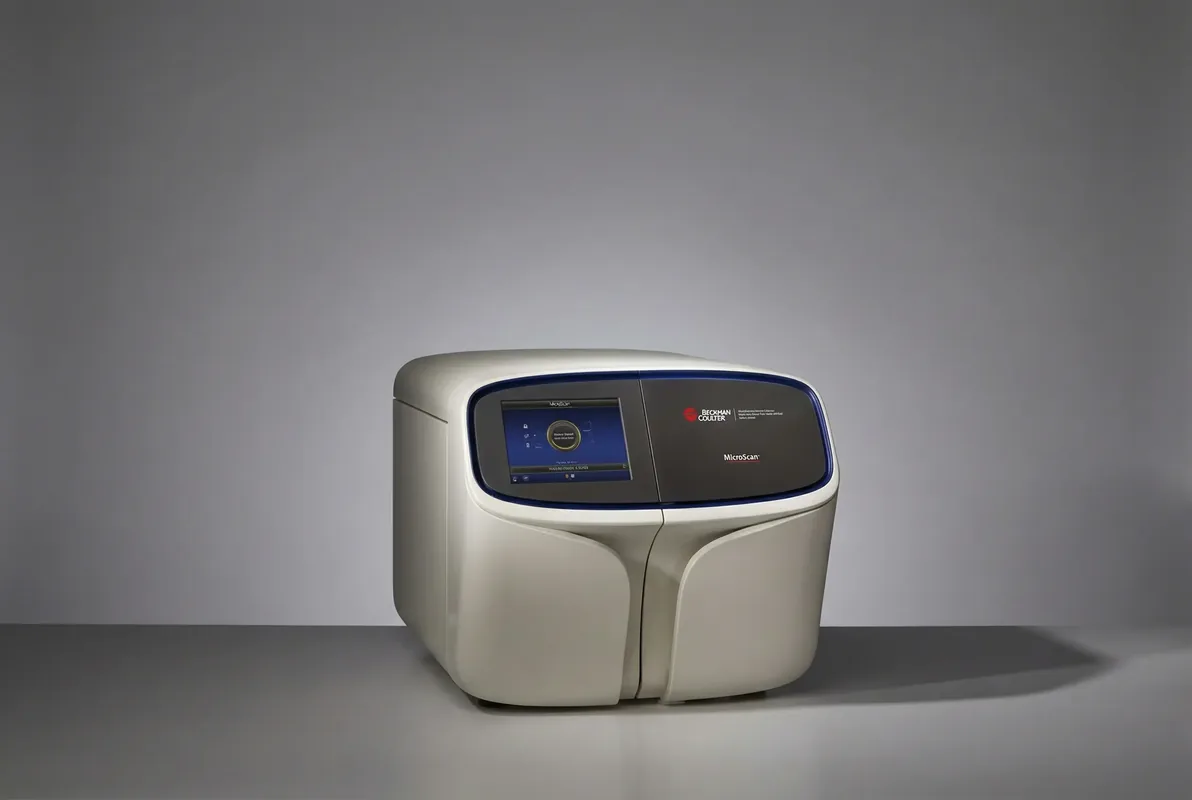
03
ctDNA + NGS
ctDNA is extracted and sequenced for a full genomic profile.
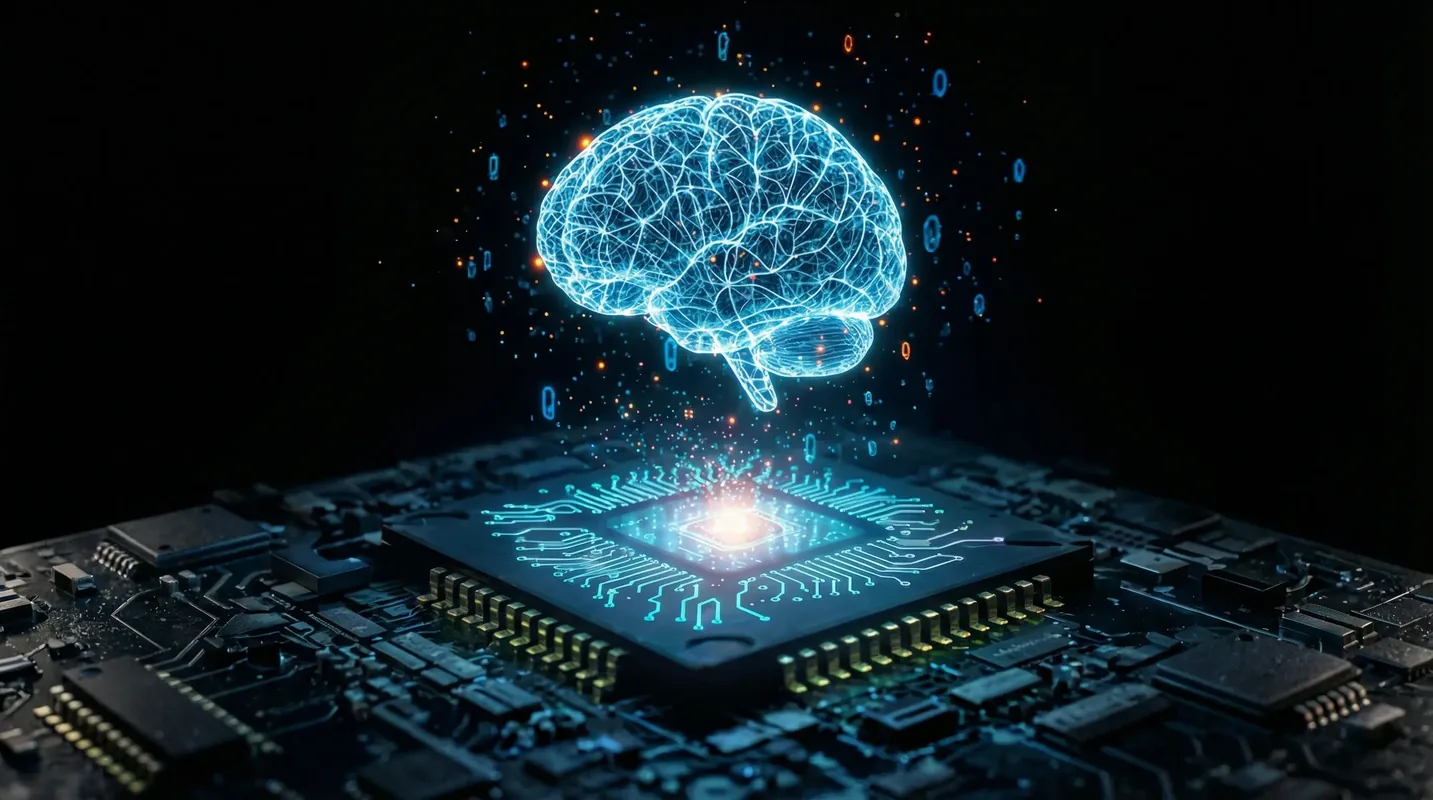
04
AI Analysis
AI models identify and tier clinically relevant variants.
05
AI Report
Findings are compiled into a structured, evidence-linked report.
01
Blood Draw
A routine blood sample is collected from the patient.
02
Plasma Separation
Plasma is isolated to access circulating tumor DNA.
03
ctDNA + NGS
ctDNA is extracted and sequenced for a full genomic profile.
04
AI Analysis
AI models identify and tier clinically relevant variants.
05
AI Report
Findings are compiled into a structured, evidence-linked report.
01
Blood Draw
A routine blood sample is collected from the patient.
02
Plasma Separation
Plasma is isolated to access circulating tumor DNA.
03
ctDNA + NGS
ctDNA is extracted and sequenced for a full genomic profile.
04
AI Analysis
AI models identify and tier clinically relevant variants.
05
AI Report
Findings are compiled into a structured, evidence-linked report.
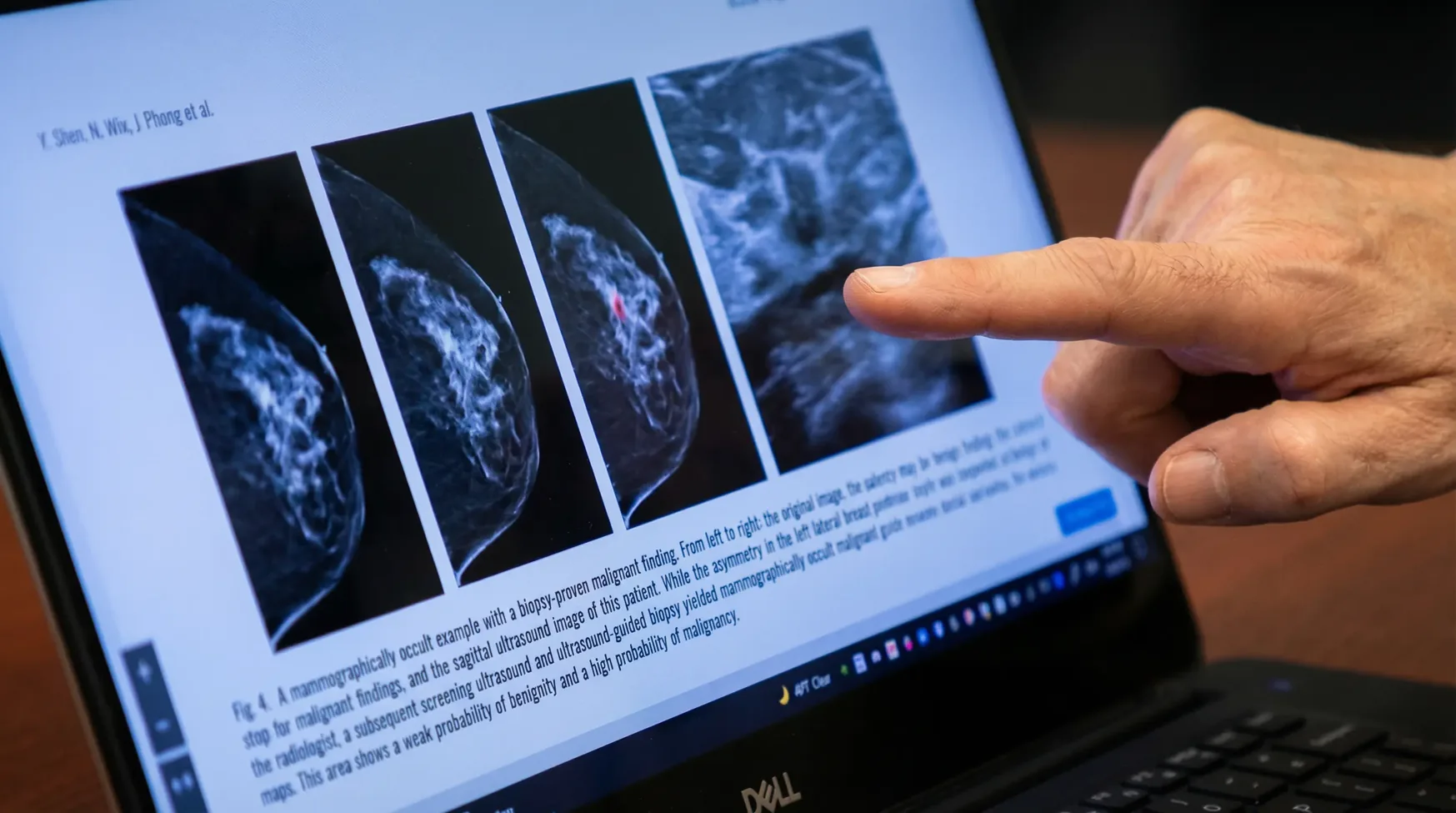
We combine clinical radiology expertise with advanced deep learning to analyze mammogram images and predict individualized breast cancer risk over the next 5 years — enabling earlier intervention and better patient outcomes.
Predictive Intelligence
Extracts deep tissue features, density patterns, and micro-calcification signatures from input mammograms.
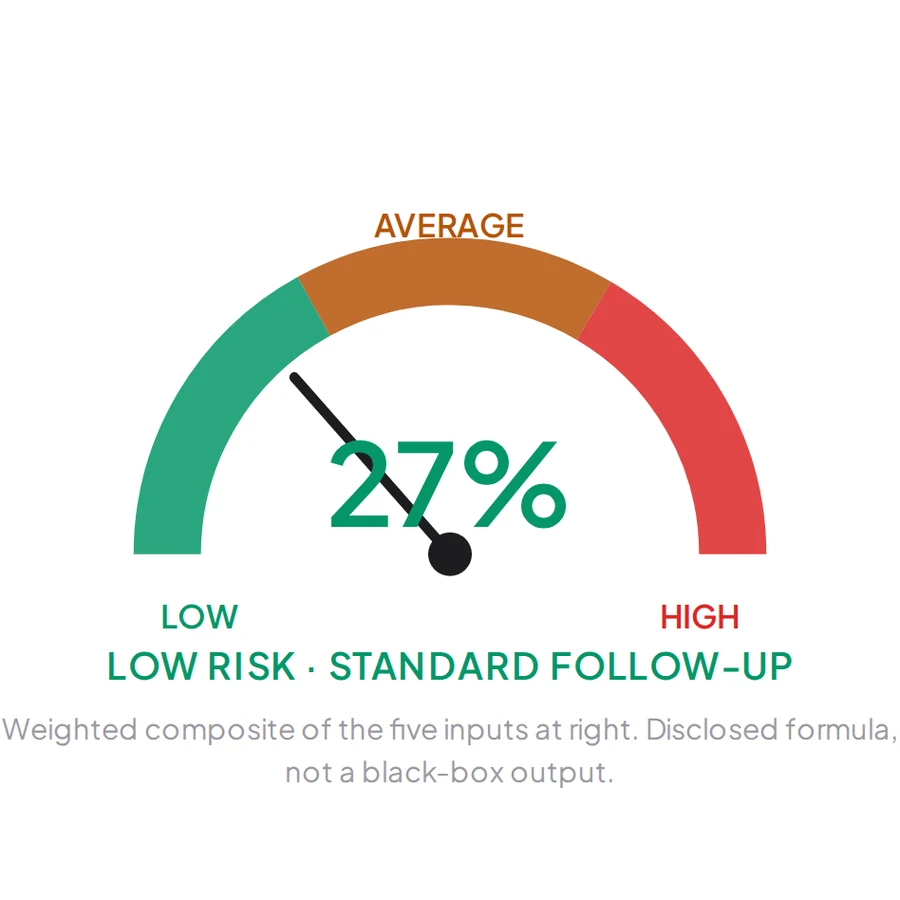
Generates a personalized 5-year risk score with explainable confidence intervals.
Delivers structured risk reports that integrate seamlessly into radiologist workflows.
Non-invasive liquid biopsy combined with AI for continuous cancer progression tracking and treatment response monitoring.
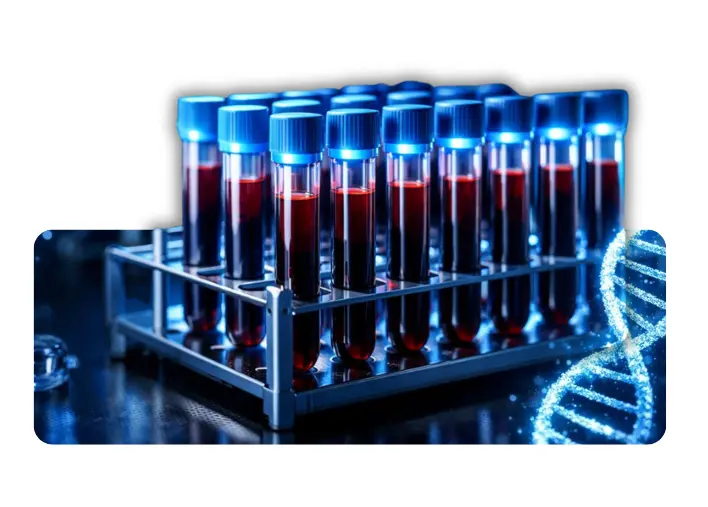
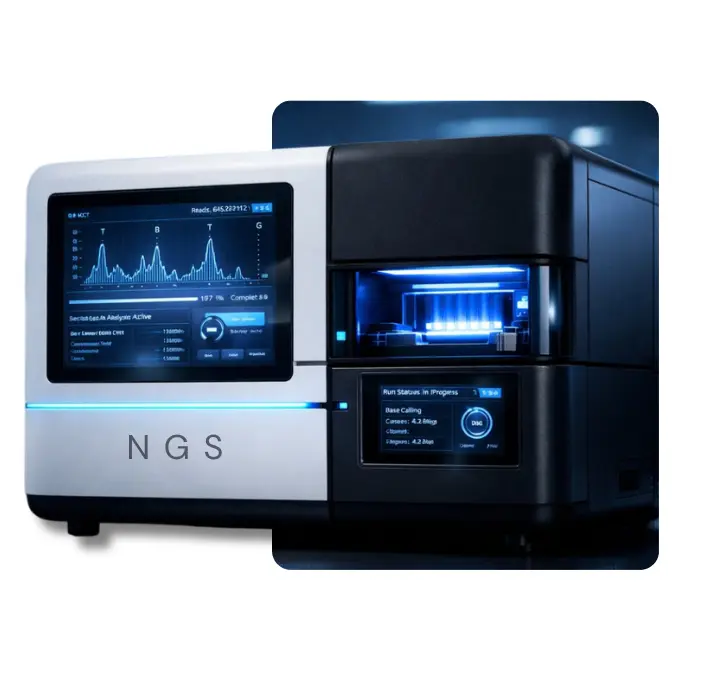
Ultra-sensitive genomic profiling from circulating tumor DNA (ctDNA) without invasive tissue sampling. AI-driven analysis delivers real-time insights.
Currently in R&D, refining accuracy, scalability, and clinical integration for cancer-positive patients.
AI Lung Cancer Imaging
Low-dose CT screening finds lung cancer early, when treatment works best. We are developing AI that reads chest CT scans to find, measure and track lung nodules, so radiologists can focus on what matters most.
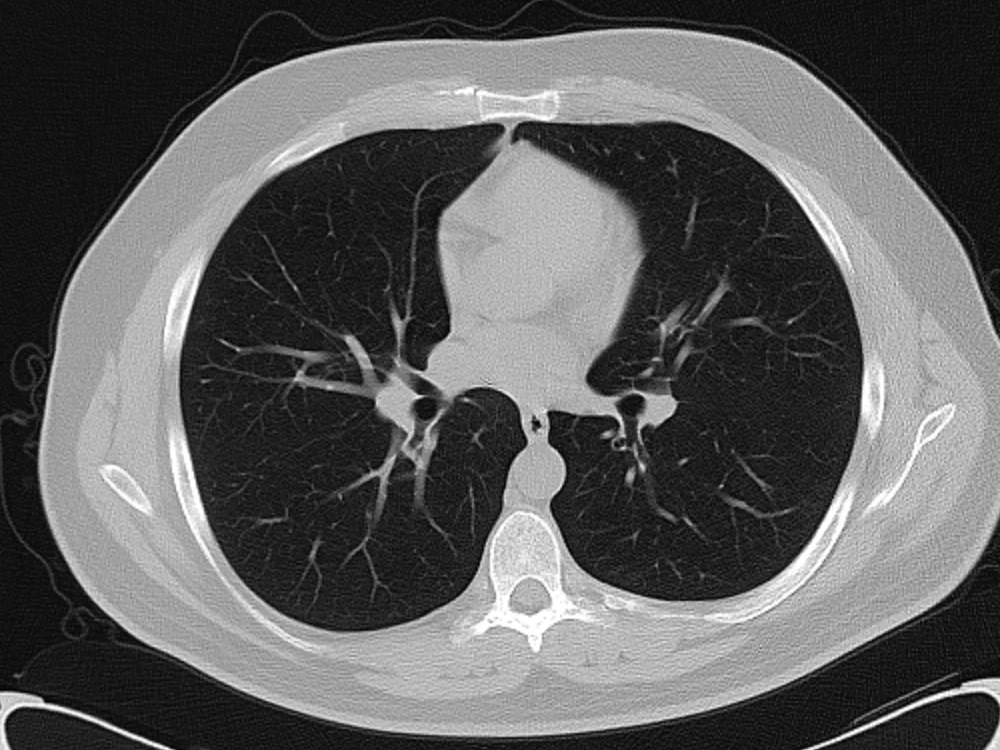
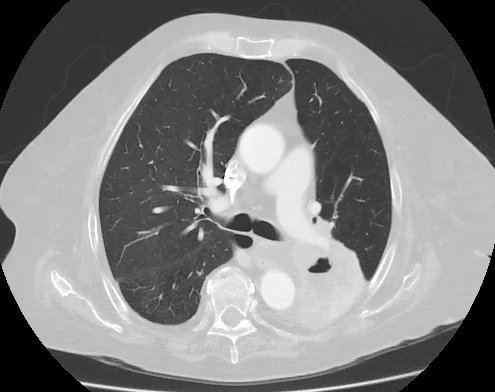
Example finding
Cavitating tumour, left lower lobe
Separate public case · illustrative
How it works
Low-dose screening or diagnostic chest CT, as a standard DICOM series.
AI reads every slice to find lung nodules and outline them in 3D.
Size, density and shape feed a malignancy-risk estimate aligned with Lung-RADS® categories.
Comparing scans measures nodule growth and volume-doubling time.
2.5M
people were diagnosed with lung cancer worldwide in 2022, the most common cancer.
1.8M
deaths from lung cancer in 2022, the leading cause of cancer death.
20–24%
fewer lung cancer deaths with low-dose CT screening in large randomised trials.
Source: NLST 2011 (opens in a new tab) · NELSON 2020 (opens in a new tab)
The Problem
Cancer care is still reactive, fragmented, and delayed. Risk prediction, diagnosis, and monitoring often work in separate systems, leaving critical gaps across the patient journey.
5 critical gaps identified
Many cancers are detected only after symptoms appear, when treatment is harder and survival is lower.
Cancer is usually checked through scans every few weeks, not continuously. Important changes can happen in between.
Tissue biopsy is invasive, burdensome, and not practical for frequent tracking over time.
After treatment, tiny amounts of cancer can remain unseen. Relapse is often found only later on imaging.
Imaging, pathology, genomics, and follow-up data often sit in separate systems, limiting a full patient view.
AI-driven cancer intelligence across the entire disease lifecycle — from early risk prediction using imaging data to continuous progression monitoring powered by liquid biopsy.
Continuous tracking across the entire disease lifecycle with actionable insights as cancer evolves.
All systems operational
End-to-end de-identification, audit trails, and privacy-first data pipelines by design.
Our Mission
Making precision oncology intelligence accessible, transparent, and globally collaborative — from first risk signal to real-time progression tracking.
Who It's For
Predictive risk insights and real-time monitoring data for faster, more informed decisions.
Clarity through early risk signals and transparent, continuous precision monitoring.
Open-source oncology tools to build, test, and collaborate across prediction and monitoring.
Longitudinal monitoring and continuous data across the full disease and treatment lifecycle.
BUILD TOGETHER
Interested in a partnership? Reach out to us.